
Read time: 2 minutes

Oppositional behavior is a frequent and complex concern. Children who struggle with irritability, defiance, or emotional reactivity rarely do so in isolation; these behaviors often coexist with learning differences, sensory sensitivities, family stress, or immature self-regulatory systems. Even without meeting diagnostic criteria for ODD, children who exhibit ongoing oppositional patterns are at higher risk for longer-term academic, social, and emotional difficulties.
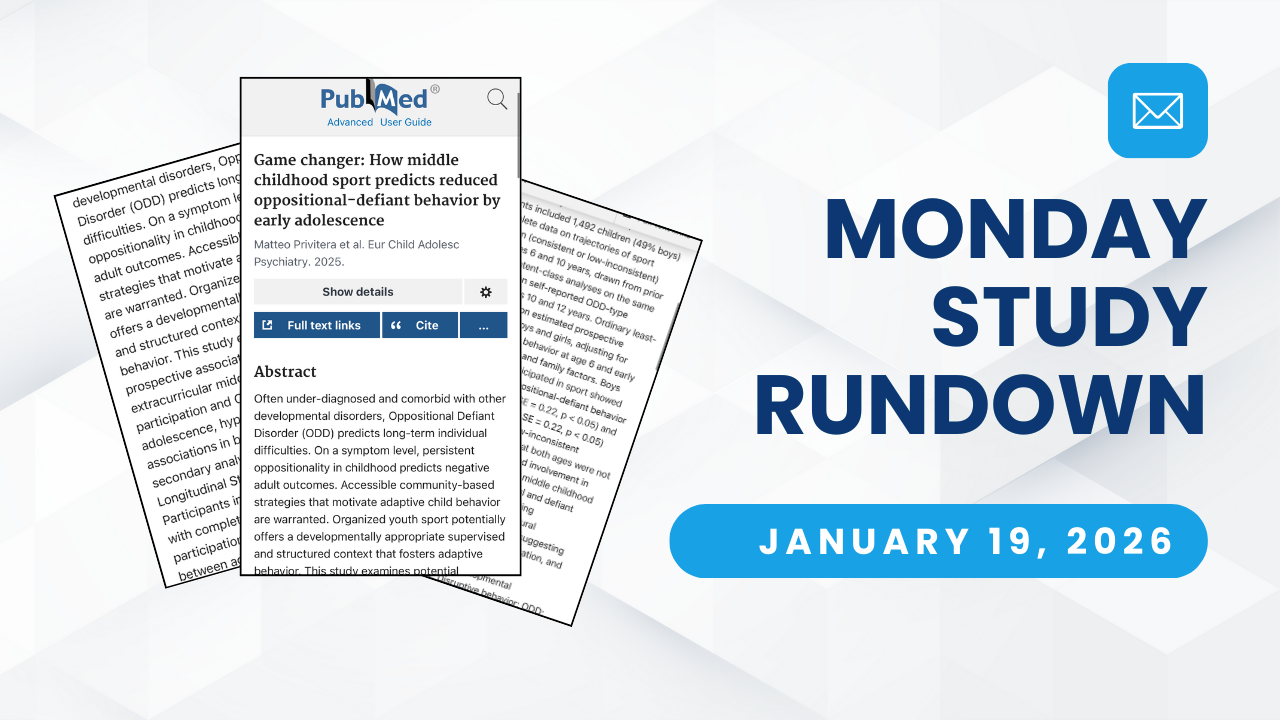
A study published in the Journal of Abnormal Child Psychology followed 1,492 children from ages 6 to 12, using data from the Quebec Longitudinal Study of Child Development. Children were grouped based on their level of participation in organized sports between ages 6 and 10—either consistent or low/inconsistent. Self-reported oppositional behavior was assessed at ages 10 and 12. After adjusting for early behavioral patterns and family context, the findings were clear: boys who consistently participated in organized sports showed significantly fewer oppositional behaviors at both follow-up points, while no such association was found in girls.
The reasons behind this sex-specific effect remain unclear, but the pattern is noteworthy.
Organized sports provide structure, adult mentorship, social engagement, and consistent opportunities to practice self-regulation in real time. For many boys, these experiences appear to support emotional control and reduce defiant behaviors in everyday settings.
Clinical takeaways for integrative practice:
Want pediatric-focused insights that cut through the noise? Subscribe to my Monday Study Rundown, where I unpack new research and what it means for real-world care.
For more Monday Study Rundowns, click here.